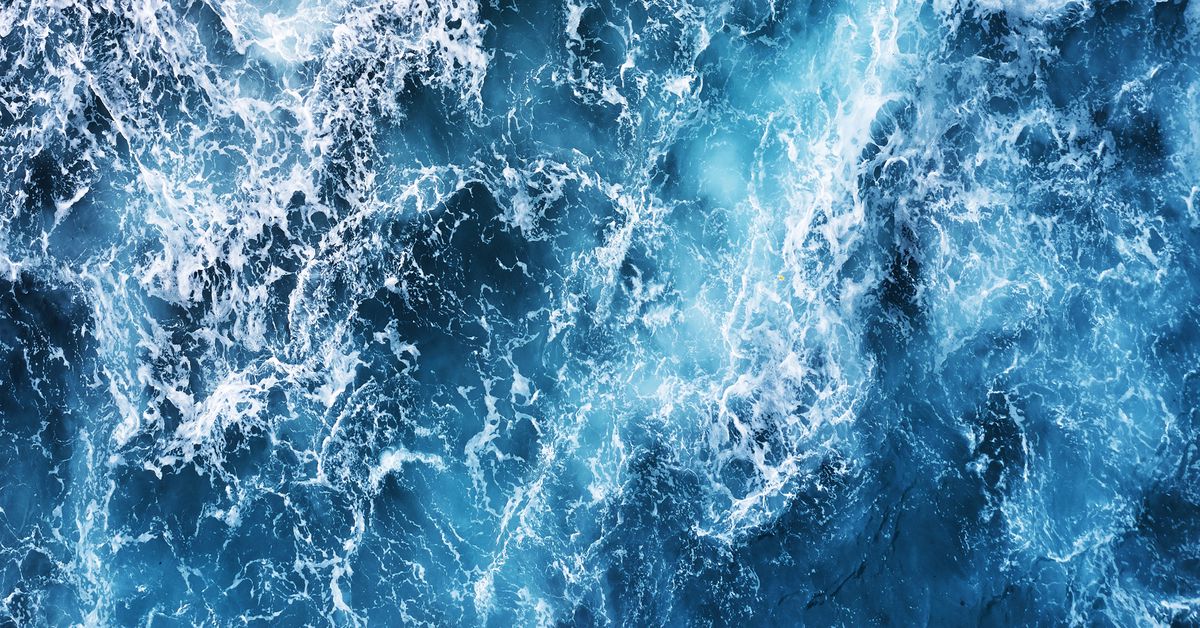
9 ocean mysteries scientists haven’t solved yet
The Earth is mainly a water world — more than 70 percent of its surface is covered by oceans — and yet we know so little about what resides beneath the waves.

The Earth is mainly a water world — more than 70 percent of its surface is covered by oceans — and yet we know so little about what resides beneath the waves.

This is an OFFLINE version of the Self Learning Module for your Android phone. Browse and study lessons even without data or internet connection. Download now for FREE!
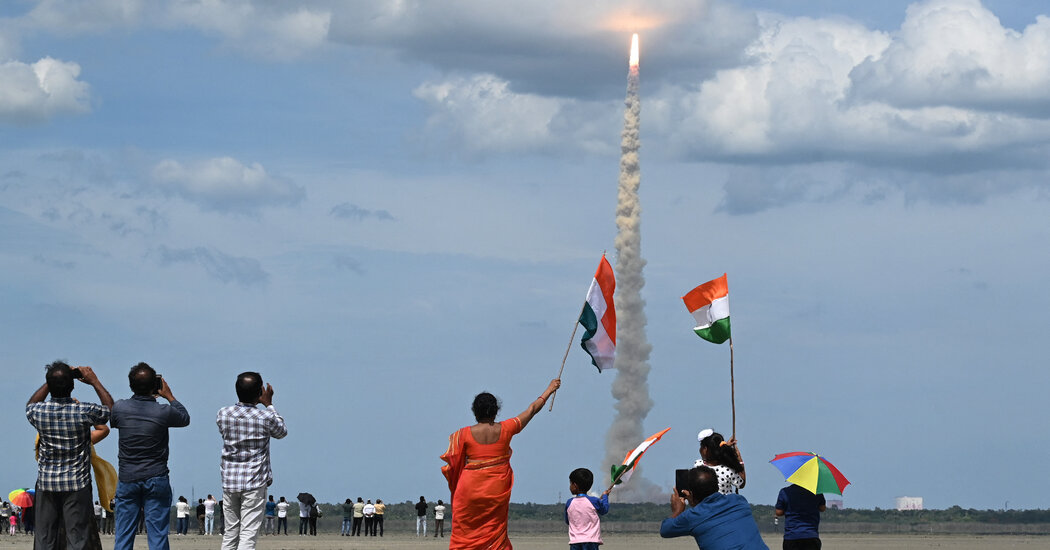
India is on its way back to the moon after a rocket lifted off from Sriharikota, a launch site off the country’s East Coast, on Friday afternoon local time.The mission,…
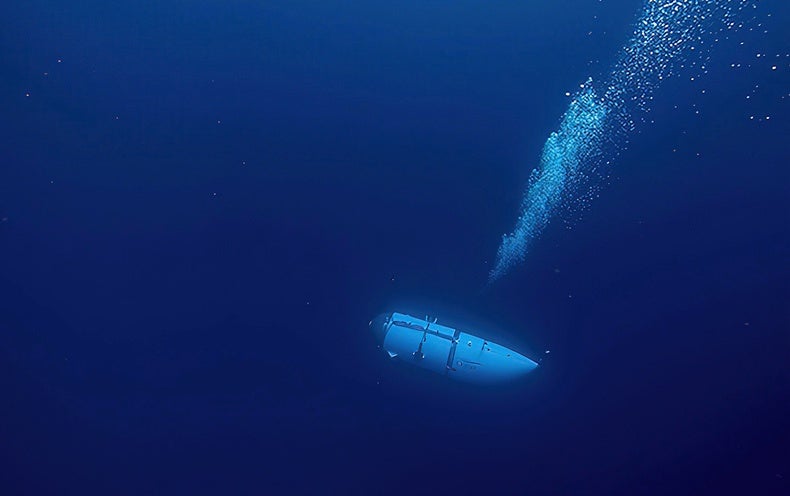
On June 22 the U.S. Coast Guard announced that a remotely operated vehicle found debris from the Titan submersible. OceanGate Expeditions, the company that owns the vehicle, declared that the Titan and all five…
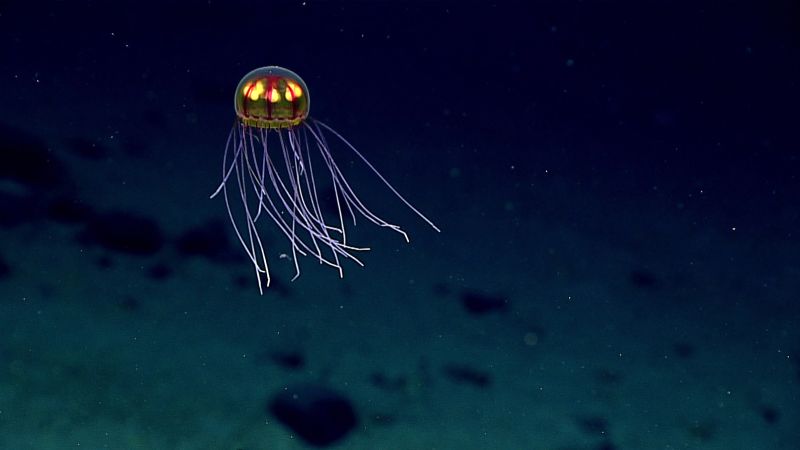
The submersible vehicle that was lost at sea is part of a relatively new effort enabling tourists and other paying customers to explore the depths of the ocean, the vast…
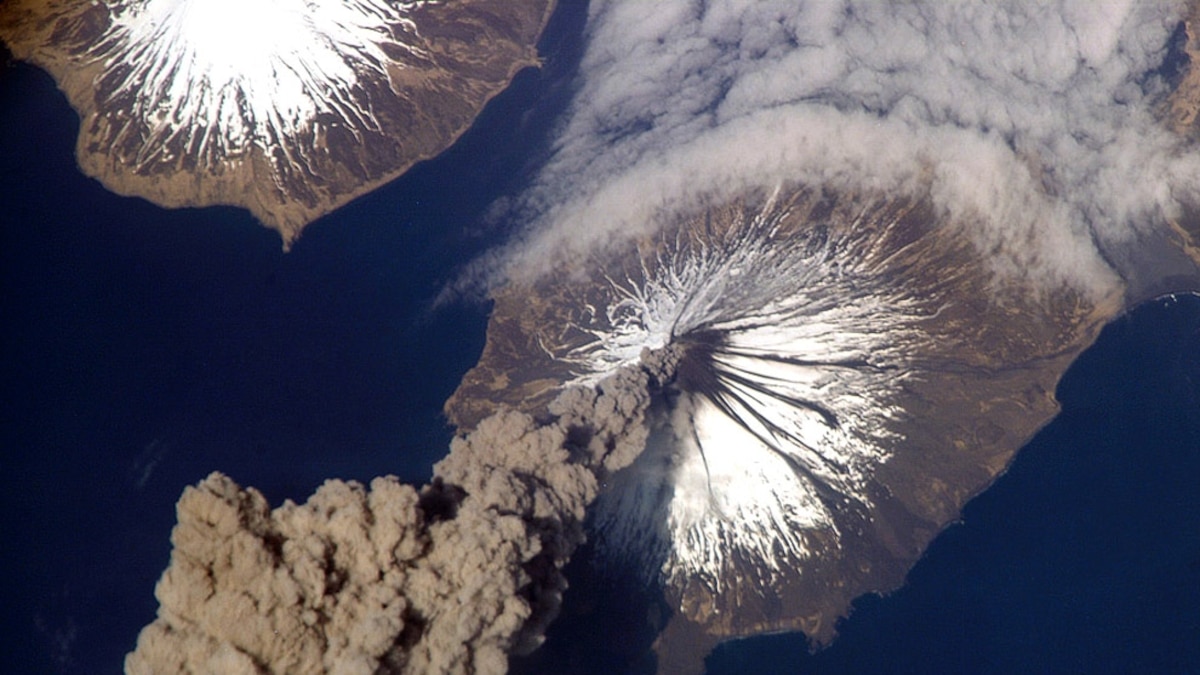
Volcanoes are Earth's geologic architects. They've created more than 80 percent of our planet's surface, laying the foundation that has allowed life to thrive. Their explosive force crafts mountains as well as craters. Lava rivers spread into bleak landscapes. But as time ticks by, the elements break down these volcanic rocks, liberating nutrients from their stony prisons and creating remarkably fertile soils that have allowed civilizations to flourish.
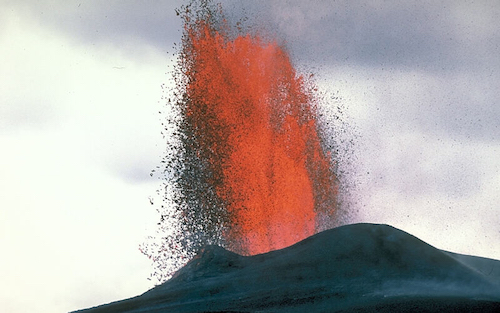
A volcano is an opening on the surface of a planet or moon that allows material warmer than its surroundings to escape from its interior. When this material escapes, it causes an eruption.
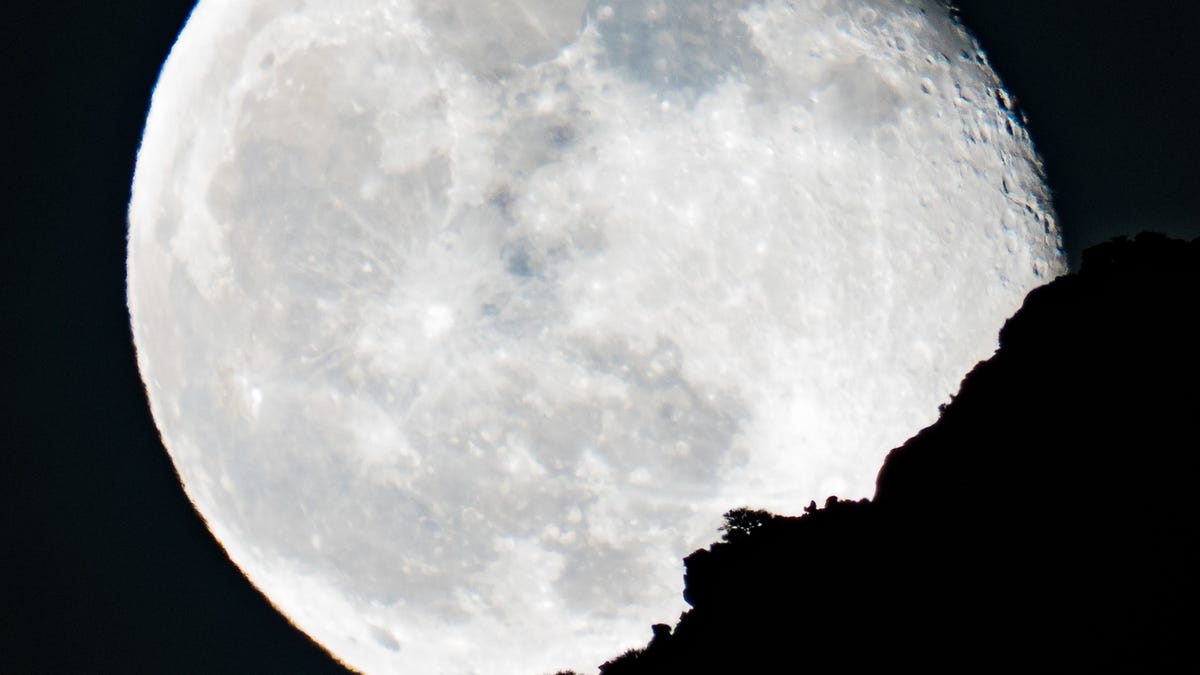
You may have seen videos of astronauts jumping on the moon. Their movements appear bouncier and lighter than how we move on Earth, and this is thanks to gravity.Gravity is "the force by which a planet or other body draws objects toward its center," according to NASA. If people move differently on the moon than on Earth, does that mean the moon has no gravity?
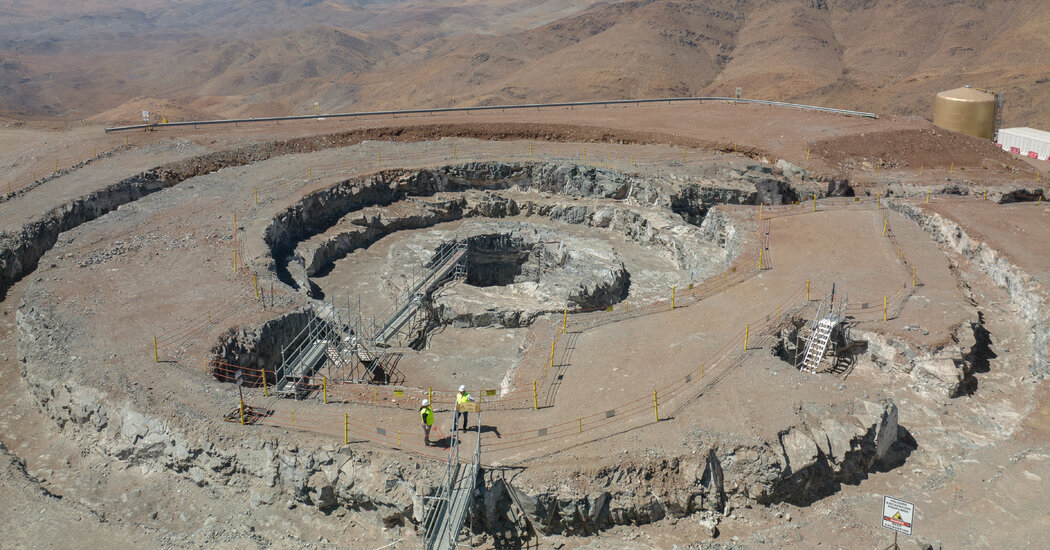
LAS CAMPANAS OBSERVATORY, Chile — To walk among the observatory domes of the Atacama Desert is to brush your hair with the stars.The Atacama, on a plateau high in the Chilean Andes, is one of the driest and darkest places in the world. During the day one can see to Bolivia, far to the east, where clouds billow into thunderstorms that will never moisten this region. At night, calm, unruffled winds off the Pacific Ocean produce some of the most exquisite stargazing conditions on Earth....
There are 8 planets in our solar system, they are Mercury, Venus, Earth, Mars, Jupiter, Saturn, Uranus and Neptune.Planets in our solar system can be divided into two main groups, Terrestrial Planets and Gas Giants. Planets that orbit other stars are referred to as Exoplanets.
